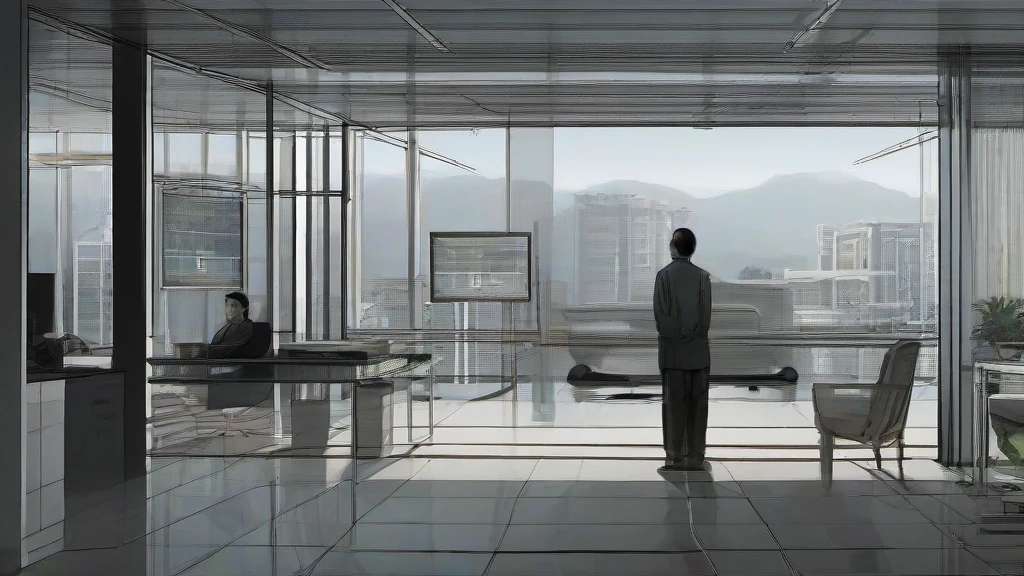
China’s first major feature film made almost entirely with artificial intelligence has performed poorly at the box office, but the result has not put off investors exploring the technology’s potential. Sanxingdui: Future Past earned 1.7 million yuan, despite a production budget of tens of millions of yuan.
Released in Beijing, the film used AI for nearly all of its visual design, as well as some sound work. Human professionals handled the editing. The Guardian reported seeing the film in a nearly empty cinema in the Chinese capital.
The story follows a futuristic society that delegates decisions to algorithms and AI systems, triggering a global catastrophe. The characters try to prevent disaster by uncovering a secret code linked to Sanxingdui’s bronze sculptures, associated with the ancient Shu kingdom. The plot also incorporates astronauts, ancient Egypt and journeys through space-time vortices. Its dialogue points to the involvement of Bowen, an in-house scriptwriting tool developed by the production company.
Independent Beijing film critic Yu Yaqin said the central problem was that the movie was not entertaining. She nevertheless expects AI-made films to continue attracting investment in China. A screenplay development professional in Beijing said that most of the projects she had received in recent months involved AI productions.
The appeal for investors is partly the possibility of lowering costs. According to the screenwriting professional, work that once required teams of about 100 people could be done by as few as five with AI assistance. That prospect has also raised concerns about jobs in the audiovisual industry.
The film’s weak box-office showing does not necessarily signal a broader rejection of AI content in China. The country already has a sizeable market for AI-generated microdramas: short episodes, typically one to three minutes long, designed for mobile viewing. The Guardian reported that tens of thousands of these productions are uploaded to streaming platforms each month, in an industry now worth about US$3 billion.
Price and format may help explain the difference in audiences. A ticket to Sanxingdui: Future Past cost 50 yuan, while similar content was available free on phones. One film blogger described AI microdramas as a way to pass the time, while cinema releases need to offer an experience that makes the cost worthwhile. Yu said audiences still appear more willing to pay for productions that provide something distinctive.
Sources: Olhar Digital.