The 2026 US midterm elections will help determine the balance of power during President Donald Trump’s final two years in office and offer a signal about voter priorities ahead of the 2028 presidential race. Alongside affordability, technology issues are emerging in campaigns across the country, particularly the growth of data centers, AI safety and the expansion of surveillance systems.
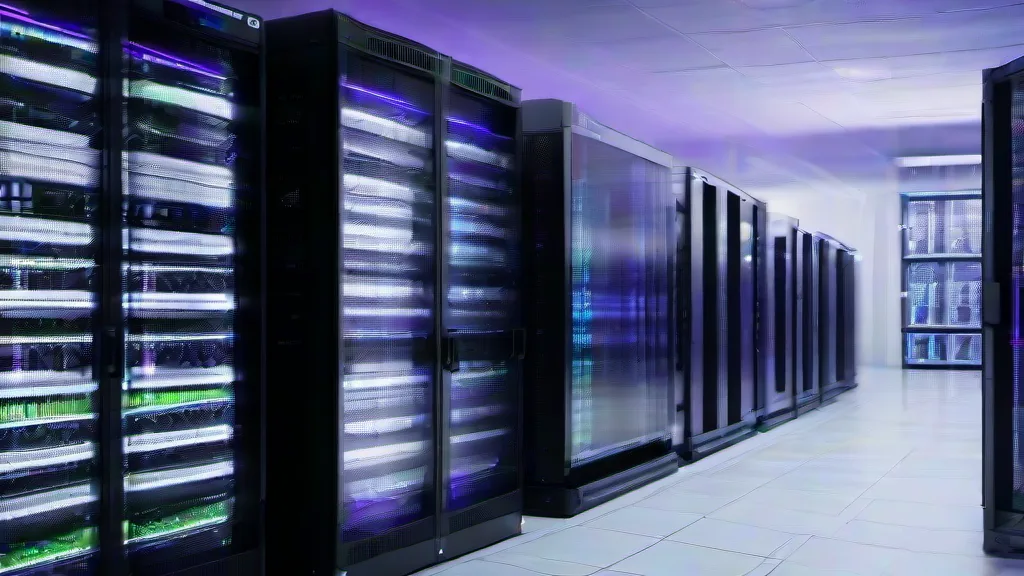
Data centers have become a prominent source of local opposition, with concerns about construction, electricity demand and who will bear the costs. In Texas, the NAACP’s state president, Gary Bledsoe, has pointed to disputes in Taylor and Temple, while San Marcos became the first city in the state to ban data centers. The issue has also featured in congressional and gubernatorial campaigns.
California’s Proposition 45 has become another point of contention. The measure would shorten environmental review timelines for eligible infrastructure projects and make it harder for residents to challenge them in court. Supporters say it could help address the housing shortage and expand renewable energy to meet rising electricity demand. Environmental advocates and some legal experts warn that data center developers backing the proposal could benefit from reduced public scrutiny.
The elections are also drawing substantial spending from tech-linked political groups. Leading the Future, backed by venture capitalist Marc Andreessen and OpenAI President Greg Brockman, has spent $45 million, while Anthropic-backed Public First Action says it has raised $80 million. A separate group, Tomorrow Together, has launched $4 million in advertising focused on data center development and AI safety.
California’s proposed one-time 5 percent tax on billionaires, Proposition 40, has prompted a major campaign against it. Tech billionaires have reportedly donated more than $340 million to oppose the measure, with Google co-founder Sergey Brin reported as the largest contributor. Meta has also said in a filing that Mark Zuckerberg was considering moving his primary residence if the proposal passes. The company’s board issued him non-voting shares that can provide liquidity without reducing his voting control; Zuckerberg committed to remain in California, or wherever Meta is headquartered, for eight years while in a full-time leadership role.
The outcome of the midterms could affect how Congress handles AI regulation. If Democrats regain control of either chamber, committee leaders could set agendas, request company documents and call technology executives to testify. Democratic committee leaders have already indicated interest in examining data center tax credits and recent hacking incidents. The next Congress is also expected to confront opposition to data center construction.
Election oversight and the use of technology are also under scrutiny. The Justice Department has sent 1,000 election monitors to observe polling places in every state, describing the effort as the largest in its history. Meanwhile, election and privacy experts have raised concerns about the Department of Homeland Security’s SAVE Program, which the Trump administration has expanded to identify noncitizens registered to vote. Critics say the database could wrongly affect eligible voters and put personal information at risk.
OpenAI has established an Election Operations Center to monitor potential misinformation and misuse of its tools during the election period. The company says the center will track events in real time and receive reports of unexpected model behavior or suspected violations of its terms of service.
Other political issues involving technology include the debate over surveillance, the proposed taxation of wealth and antitrust enforcement. Democrats held an unofficial hearing criticizing the Justice Department’s settlement with Live Nation-Ticketmaster, previewing how they might scrutinize administration antitrust agreements if they regain control of Congress.
Sources: The Verge.