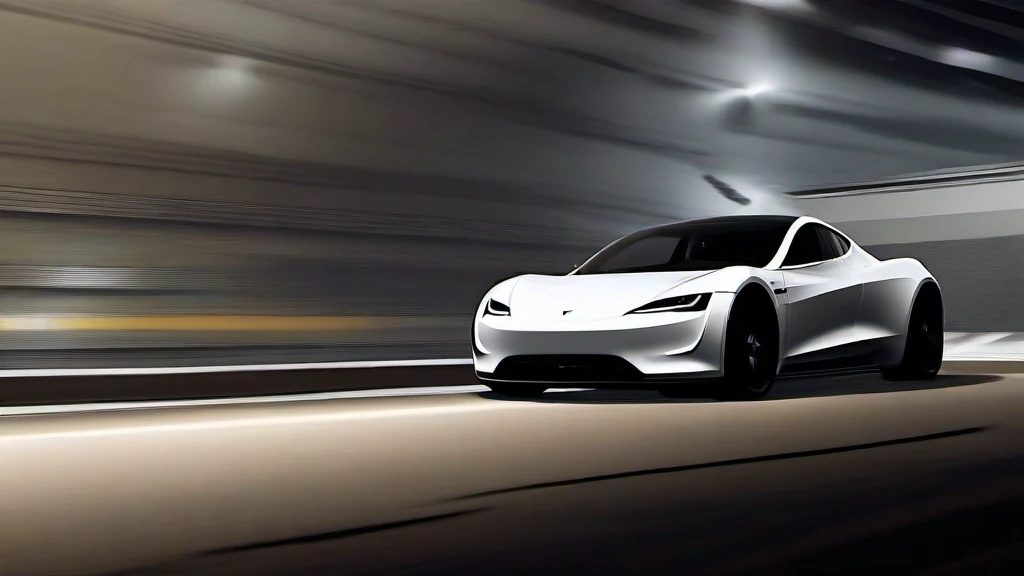
The new Tesla Roadster, which recently featured in a spectacular demonstration where it jumped over five cars using a ramp, relies on propulsion technology developed in partnership with SpaceX. However, Lars Moravy, the company's Vice President of Vehicle Engineering, clarified significant operational limitations during an interview with the British magazine Top Gear. The cold gas thrusters, which expel ultra-fast jets of compressed nitrogen stored in high-density reservoirs, deliver only five seconds of continuous thrust before requiring a recharge period lasting between two and six hours.
In the intermediate Thrust variant, the system utilizes a 200-liter tank capable of withstanding pressures up to 10,000 psi. This pressure level is approximately 300 times higher than the standard inflation of a common automotive tire. While the demonstration showcased the vehicle's ability to "fly," Tesla acknowledges the logistical challenges posed by the current pressurization times. The manufacturer has set an engineering goal to reduce the gas refueling process to less than 30 minutes by the time series production begins, a target that will likely require specific industrial compressors or dedicated stations rather than conventional charging networks.
Tesla plans to offer the Roadster in three distinct configurations: a Performance version without thrusters, the Thrust variant promising acceleration from 0 to 96 km/h in under 0.9 seconds, and an extreme single-seater track model called Rocket. The Rocket configuration features ten gas outlets and a capacity of 600 liters. Reservations for these vehicles currently range from $50,000 to $250,000, with deliveries estimated for 2028. Notably, the exclusive Rocket version is being offered only to invited guests.
Sources: Canaltech.