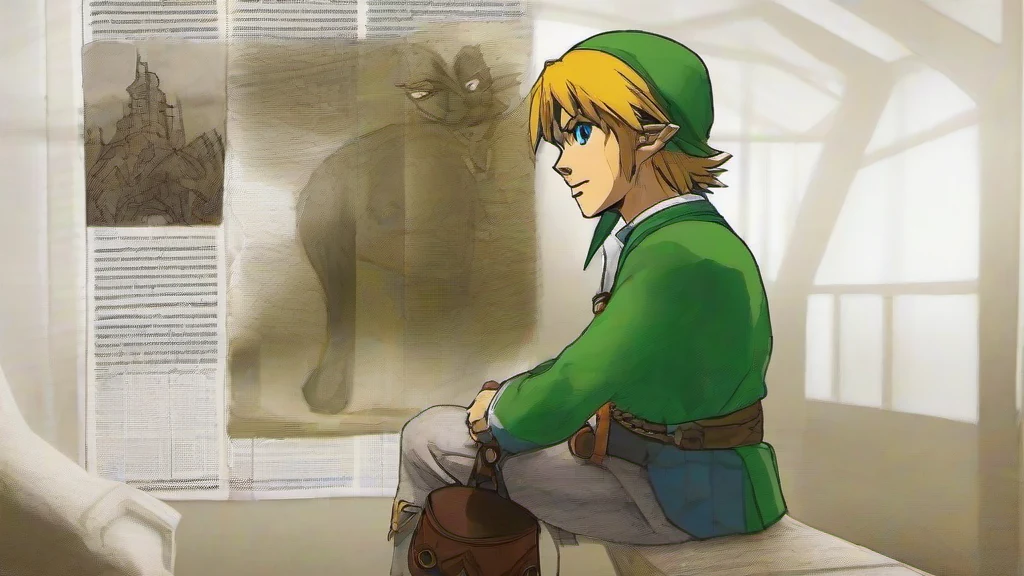
Nintendo’s remake of The Legend of Zelda: Ocarina of Time for Switch 2 aims to bring the 1998 Nintendo 64 game to a new audience without changing its essential character. Producers Eiji Aonuma and Hidemaro Fujibayashi say the project’s younger developers helped the team approach that balance with care, focusing on what mattered in the original rather than adding novelty for its own sake.
Fujibayashi said the newer team members considered what should remain unchanged and sought what he described as “elegance”: keeping the elements that were important to the original and carrying them forward. Some of those developers had never played the N64 game before working on the remake, giving them a different perspective on its design.
The remake also updates parts of the experience to better suit contemporary players. Players can control the camera and jump freely, changes intended to add flexibility while connecting the game to the more open approach of Breath of the Wild and Tears of the Kingdom. Aonuma said the added freedom required adjustments to the world, but he came to see it as another way for players to approach their objectives.
The graphics have been overhauled to reveal details that the original hardware could not display, while retaining a style that blends realism with fantasy. Aonuma said the team had wanted to bring out more of the world’s details even during the original game’s development, but the Nintendo 64’s technical limitations prevented it.
Other changes address specific challenges from the original. Navi’s hints have been toned down, and in-game text can help players recall their progress. The Water Temple has also been adjusted to make navigation easier, with improved visibility and fewer of the obstacles associated with the original camera and item menus.
Aonuma said the remake gave the team a chance to make those adjustments while keeping Ocarina’s traditional style of Zelda gameplay. He and Fujibayashi also pointed to the larger development effort compared with the N64 era: more people and time are involved, making team management more complex. Both producers said the experience of working with younger developers could contribute new ideas to future Zelda games.
Sources: The Verge.